How to Help a Loved One with PTSD
Mental Health


Audio By Carbonatix
By Dr. Michelle Bengtson, Crosswalk.com
Post-traumatic stress disorder (PTSD) affects far more than the person who experienced the trauma. It impacts spouses, parents, children, friends, coworkers, and entire families. If someone you love is struggling with PTSD, you may feel helpless, confused, or even overwhelmed by how to best support them.
As a board-certified neuropsychologist who has spent more than three decades helping individuals navigate mental and emotional health challenges, I've seen firsthand the profound impact PTSD can have on a person's brain, body, relationships, and faith. I've also witnessed the remarkable healing that can occur when people are surrounded by understanding, support, and hope.
If you love someone with PTSD, it's important to remember that your presence can be part of their healing journey. While you cannot heal their trauma for them, you can become a safe companion as they walk toward recovery.
What Is PTSD and How Does it Affect the Brain?
PTSD develops after experiencing or witnessing a traumatic event such as military combat, abuse, assault, a serious accident, natural disaster, medical trauma, or the sudden loss of a loved one.
Trauma changes the way the brain functions.
The amygdala (the brain's alarm system) becomes hyperactive, constantly scanning for danger. The hippocampus, which helps organize memories and distinguish between past and present experiences, may struggle to process traumatic memories appropriately. Meanwhile, the prefrontal cortex, responsible for rational thinking and emotional regulation, often becomes less effective during moments of stress.
From a neuroscience perspective, PTSD is not simply "being unable to move on." It is a genuine neurobiological response to overwhelming experiences.
Symptoms of PTSD and 9 Steps You Can Take to Help
Individuals with PTSD may experience flashbacks or intrusive memories, nightmares, hypervigilance, anxiety, panic, emotional numbness, irritability or anger, difficulty concentrating, sleep disturbances, or avoidance of people, places or situations associated with the trauma.
Understanding these symptoms can help us respond with compassion rather than frustration. If you are a caretaker, family member or friend to someone struggling with PTSD, here are nine steps you can take to help.
1. Recognize PTSD Is Not a Character Flaw
One of the most important things loved ones can understand is that PTSD is not a weakness.
Many individuals struggling with PTSD already carry shame. They may wonder why they cannot simply "get over it" or move forward.
The truth is that their brain has been altered by trauma.
Just as we would never shame someone for needing physical rehabilitation after an injury, we should not shame someone whose brain and nervous system are healing from trauma.
Scripture reminds us in Psalm 34:18: "The Lord is close to the brokenhearted and saves those who are crushed in spirit."
God does not condemn those who are wounded. He draws near to them.
When we adopt God's posture of compassion, we become a source of comfort rather than additional pressure.
2. Create Emotional and Physical Safety
Healing from PTSD begins with safety. Because the nervous system of a person with PTSD is often stuck in survival mode, they need environments and relationships that communicate security.
You can help by being predictable and trustworthy, following through on commitments, avoiding sudden outbursts or explosive reactions, respecting boundaries, providing reassurance during difficult moments, and remaining calm during emotional episodes.
When someone with PTSD feels safe, their nervous system begins to learn that not every situation is a threat. Neuroscience tells us that repeated experiences of safety can gradually help calm an overactive stress response system.
3. Listen More Than You Speak
Many well-intentioned loved ones make the mistake of trying to fix the problem. PTSD is not usually solved through quick advice. Often, what your loved one needs most is someone who will listen without judgment.
Try statements like:
- "I'm here for you."
- "That sounds incredibly difficult."
- "Thank you for trusting me with that."
- "You don't have to go through this alone."
Avoid minimizing statements such as:
- "Just think positive."
- "Everything happens for a reason."
- "You need to move on."
- "At least it wasn't worse."
While these comments may be intended to help, they can unintentionally invalidate the person's experience. Healing often begins when someone feels heard and understood.
4. Learn Their Triggers, but Avoid Walking on Eggshells
Triggers are reminders that activate traumatic memories and physiological stress responses.
These triggers may include loud noises, certain smells, specific locations, particular dates or seasons, crowded environments and certain conversations.
Ask your loved one if there are triggers they would like you to understand. Knowledge allows you to respond wisely rather than react in confusion.
At the same time, it is important not to organize your entire life around avoiding every trigger. Recovery often involves learning healthy coping strategies and gradually reclaiming areas of life that trauma has stolen. Balance compassion with encouragement toward healing.
5. Encourage Professional Treatment
One of the greatest gifts you can offer a loved one with PTSD is gentle encouragement toward professional support. Evidence-based treatments can be highly effective.
These may include:
- Cognitive Behavioral Therapy (CBT)
- Trauma-focused therapy
- Somatic therapies
- Medication when appropriate
As Christians, we sometimes mistakenly view seeking mental health treatment as a lack of faith. I believe the opposite can be true. God often works through trained professionals, medical interventions, and therapeutic tools to bring healing. Just as we seek treatment for physical injuries, we can seek treatment for emotional and neurological wounds.
6. Support Healthy Nervous System Regulation
Trauma affects the entire body, not just the mind.
The nervous system plays a central role in PTSD symptoms, which is why healthy lifestyle habits matter.
Encourage practices that support nervous system regulation, such as consistent sleep, regular movement and exercise, time outdoors, deep breathing exercises, prayer and meditation on Scripture, healthy nutrition, and meaningful social connection.
These practices help signal safety to the brain and support emotional regulation. Healing is rarely one dramatic breakthrough. More often, it is the accumulation of small, consistent steps over time.
7. Pray with Them and for Them
One of the most powerful ways we can support a loved one with PTSD is through prayer. Trauma often causes individuals to question God's presence, goodness, and protection. In those moments, your faith may help carry them when theirs feels weak. Prayer does not erase trauma, but it can provide comfort, peace, and hope.
Isaiah 41:10 reminds us: "Fear not, for I am with you; be not dismayed, for I am your God."
God's presence remains constant, even when trauma has shaken a person's sense of security. Pray for healing, wisdom, courage, and God's peace to guard their heart and mind.
8. Take Care of Yourself, Too
Loving someone with PTSD can be emotionally exhausting. Caregivers often focus so much on helping others that they neglect their own well-being. But you cannot pour from an empty cup.
Maintain healthy boundaries.
Prioritize your own spiritual health, emotional well-being, physical health, support systems, rest, and renewal.
Seeking counseling or support for yourself is not selfish. It is wise stewardship. The healthier you are, the more effectively you can support your loved one.
9. Hope for Healing
If someone you love is struggling with PTSD, remember this: healing is possible. The brain possesses remarkable neuroplasticity—the ability to change, adapt, and form new pathways throughout life. While trauma may leave scars, those scars do not have to define a person's future.
Likewise, God specializes in redemption.
Scripture repeatedly demonstrates that God meets people in their deepest pain and brings beauty from brokenness. Your loved one may not heal overnight. Recovery often unfolds gradually, one step at a time. But every compassionate conversation, every prayer, every act of patience, and every moment of support can become part of God's healing work.
As you walk alongside your loved one, remember that you are not responsible for fixing them. Your role is not to be their savior. Jesus already fills that role.
Your calling is to love faithfully, support wisely, and point them toward the hope, healing, and restoration that are available through both God's grace and the practical resources He provides. And sometimes, that steady, compassionate presence becomes one of the greatest gifts of healing you can offer!
Hope Prevails,
Dr. Michelle
Want More? How to Help a Loved One Who Is Struggling with PTSD
When someone you love is living with PTSD, it can leave you feeling helpless, confused, and afraid of saying or doing the wrong thing. You want to help—but what if your well-intended words make things worse? In honor of PTSD Awareness Month, Rev. Jessica Van Roekel and I address the questions so many caregivers, spouses, friends, and family members quietly ask: How do I support someone with PTSD? What helps? What hurts? And how do I walk with them without losing myself? This conversation offers practical guidance, psychological insight, and biblical hope for anyone loving someone through trauma. If this conversation helps you support a loved-one with emotional trauma, follow Your Hope-Filled Perspective on Apple or Spotify so you never miss an episode!
Image Credit: Unsplash/Joseph Pearson
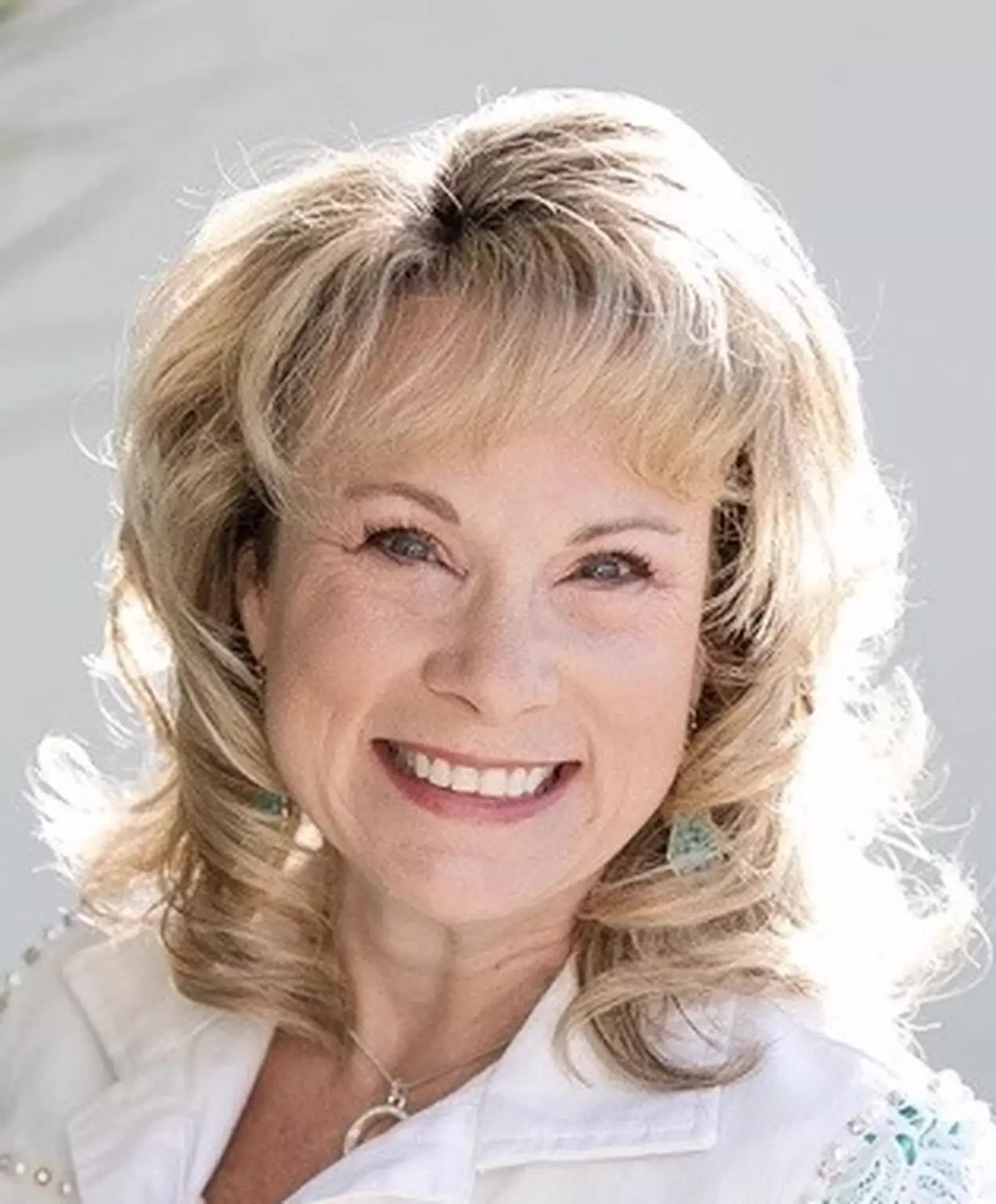 Dr. Michelle Bengtson is a hope concierge! She helps people untangle anxiety, trauma, shame, and discouragement through neuroscience and faith. She reminds the amygdala that it is not the Holy Spirit and perfectionism that it is not a spiritual gift. Her passion is to share hope and encouragement with others, whether as a board-certified clinical neuropsychologist, host of the award-winning podcast Your Hope Filled Perspective, or the author of several award-winning books including Hope Prevails: Insights from a Doctor’s Personal Journey Through Depression, Breaking Anxiety’s Grip, Today is Going to be a Good Day: 90 Promises from God to Start Your Day Off Right, and The Hem of His Garment. Her newest release is Sacred Scars: Resting in God’s Promise That Your Past is Not Wasted. You can find her and her many hope-filled resources at DrMichelleB.com.


